
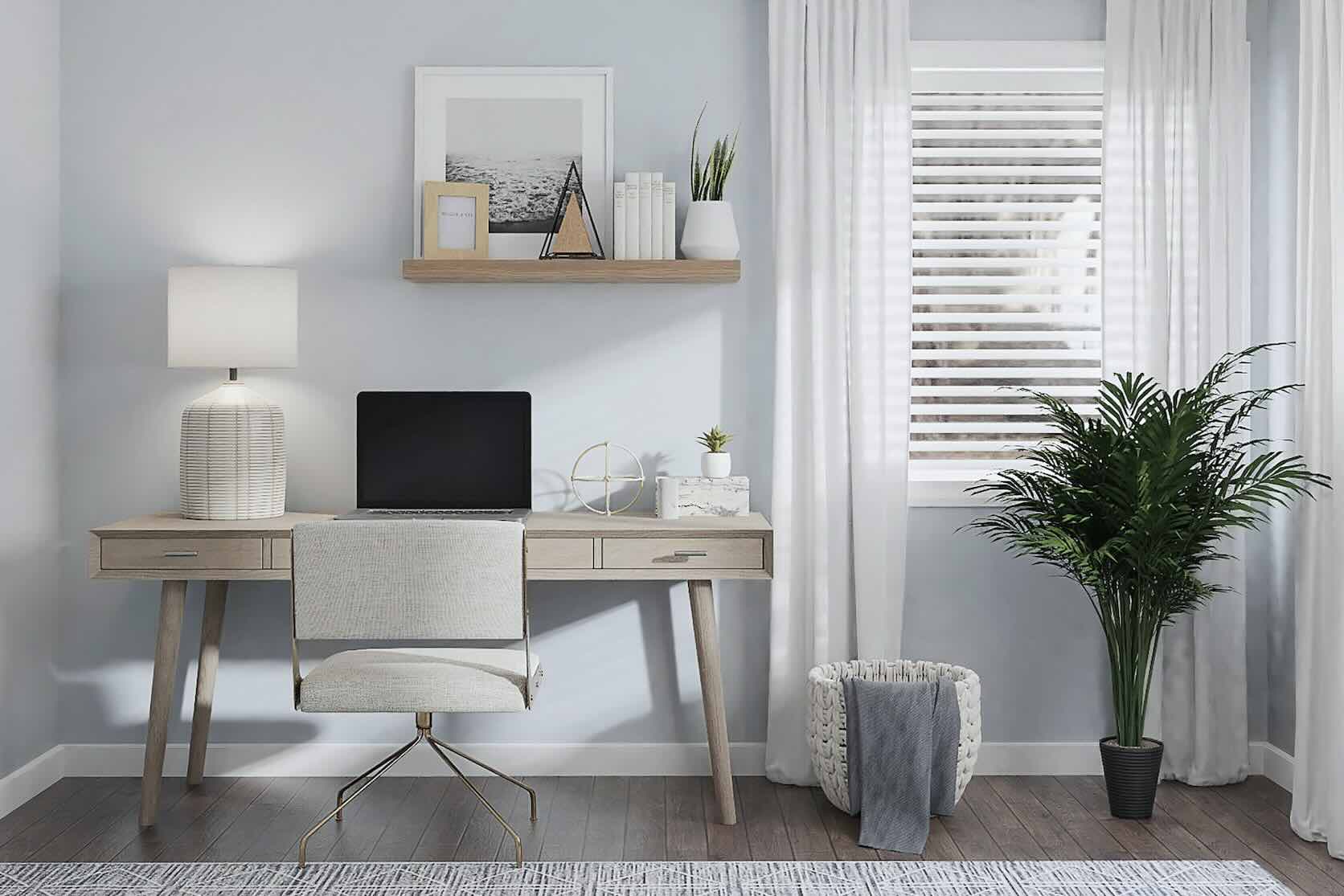
How to Stage Your Home for a Quick Sale
Staging your home effectively can significantly enhance its appeal, making it more attractive to potential buyers and facilitating a quicker sale. Here’s a comprehensive guide to help you stage your home for a swift and successful sale:
1. Declutter and Depersonalize
Declutter
Remove Excess Items: Clear countertops, shelves, and floors of unnecessary items. This creates a sense of space and allows buyers to envision their own belongings in the home.
Organize Storage Areas: Tidy up closets, cabinets, and storage spaces to showcase ample storage capacity.
Depersonalize
Remove Personal Photos: Take down family photos, personalized decorations, and memorabilia to help buyers imagine themselves living in the space.
Neutral Decorations: Opt for neutral artwork and decor that appeals to a broader audience.
2. Deep Clean Thoroughly
Clean Every Surface: Ensure that all rooms, including less noticeable areas like baseboards, windowsills, and ceilings, are spotless.
Carpets and Floors: Have carpets professionally cleaned and ensure all flooring is in good condition.
Bathrooms and Kitchen: Pay special attention to these high-traffic areas by ensuring they are gleaming and free of mold, grime, or stains.
3. Enhance Curb Appeal
Landscaping: Mow the lawn, trim hedges, plant fresh flowers, and remove weeds to create an inviting exterior.
Exterior Maintenance: Paint or clean the front door, replace any cracked or broken elements, and ensure the house number is visible.
Lighting: Add outdoor lighting to highlight pathways and architectural features, making the home more inviting during evening viewings.
4. Neutralize the Color Palette
Paint Walls: Use neutral colors like whites, beiges, or light grays to create a blank canvas that appeals to a wide range of buyers.
Consistent Color Scheme: Maintain a cohesive color scheme throughout the home to provide a harmonious flow from room to room.
5. Optimize Furniture Layout
Highlight Space: Arrange furniture to showcase the size and functionality of each room. Avoid overcrowding to make spaces appear larger.
Focal Points: Arrange furniture to highlight the room’s best features, such as a fireplace, large windows, or architectural details.
Flow and Accessibility: Ensure there is a natural flow and that spaces are easy to navigate.
6. Add Inviting Touches
Lighting
Maximize Natural Light: Open curtains and blinds to let in as much natural light as possible.
Use Appropriate Lighting: Incorporate a mix of ambient, task, and accent lighting to create a warm and inviting atmosphere.
Accessories
Fresh Flowers or Plants: Add greenery to bring life to each room.
Decorative Pillows and Throws: Use these to add color and texture without overwhelming the space.
Scent: Ensure the home smells pleasant by using subtle fragrances or freshly baked goods during showings. Avoid strong or overpowering scents.
7. Highlight Key Features
Showcase Unique Elements: Emphasize any special features such as built-in shelves, high ceilings, or unique architectural details.
Functional Spaces: Ensure that rooms like the home office, gym, or outdoor patio are set up to show their potential uses.
8. Professional Photography and Marketing
High-Quality Photos: Invest in professional photography to capture your home in the best light, as most buyers begin their search online.
Virtual Tours: Offer virtual tours to allow remote buyers to explore the home thoroughly.
Detailed Listings: Provide comprehensive and accurate descriptions highlighting the home’s best features and recent upgrades.
9. Maintain a Neutral and Inviting Environment During Showings
Temperature Control: Ensure the home is at a comfortable temperature during viewings.
Minimize Noise: Keep the environment quiet and free from distractions to allow buyers to focus on the property.
Safety and Accessibility: Ensure that all areas of the home are safe, accessible, and easy to navigate.
10. Consider Professional Home Staging
Hire Experts: If your budget allows, hiring a professional stager can provide expert insights and furnishings that can enhance your home’s appeal.
Virtual Staging: For budget-friendly options, consider virtual staging services that digitally add furniture and decor to photos of your home.
11. Make Necessary Repairs and Upgrades
Fix Minor Issues: Repair leaky faucets, squeaky doors, and other small issues that could detract from your home’s appeal.
Update Fixtures: Consider updating outdated fixtures like lighting, faucets, and cabinet handles to give rooms a modern feel.
Fresh Paint and Flooring: Sometimes, a fresh coat of paint or updated flooring can make a significant difference in how your home is perceived.
12. Create a Welcoming Entryway
First Impressions Matter: Ensure that the entryway is clean, well-lit, and inviting. Add a fresh doormat, potted plants, or a stylish bench to enhance the space.
Organize Shoes and Coats: Keep the area tidy to make a positive first impression.
13. Set the Right Price
Market Analysis: Research comparable properties in your area to set a competitive and realistic price.
Professional Appraisal: Consider getting a professional appraisal to determine the accurate value of your home.
Conclusion
Staging your home effectively involves a combination of decluttering, cleaning, enhancing curb appeal, neutralizing colors, optimizing furniture layout, and highlighting key features. By creating a welcoming and appealing environment, you can attract more potential buyers and increase the likelihood of a quick sale. Investing time and effort into home staging not only makes your property more attractive but also helps buyers visualize themselves living there, ultimately facilitating a faster and more profitable sale.